r é n In the Kitchen With: Jamie Draper
With more than a decade in London’s heated kitchens under his belt, the chef finds solace in Hong Kong’s vastly different restaurant culture.
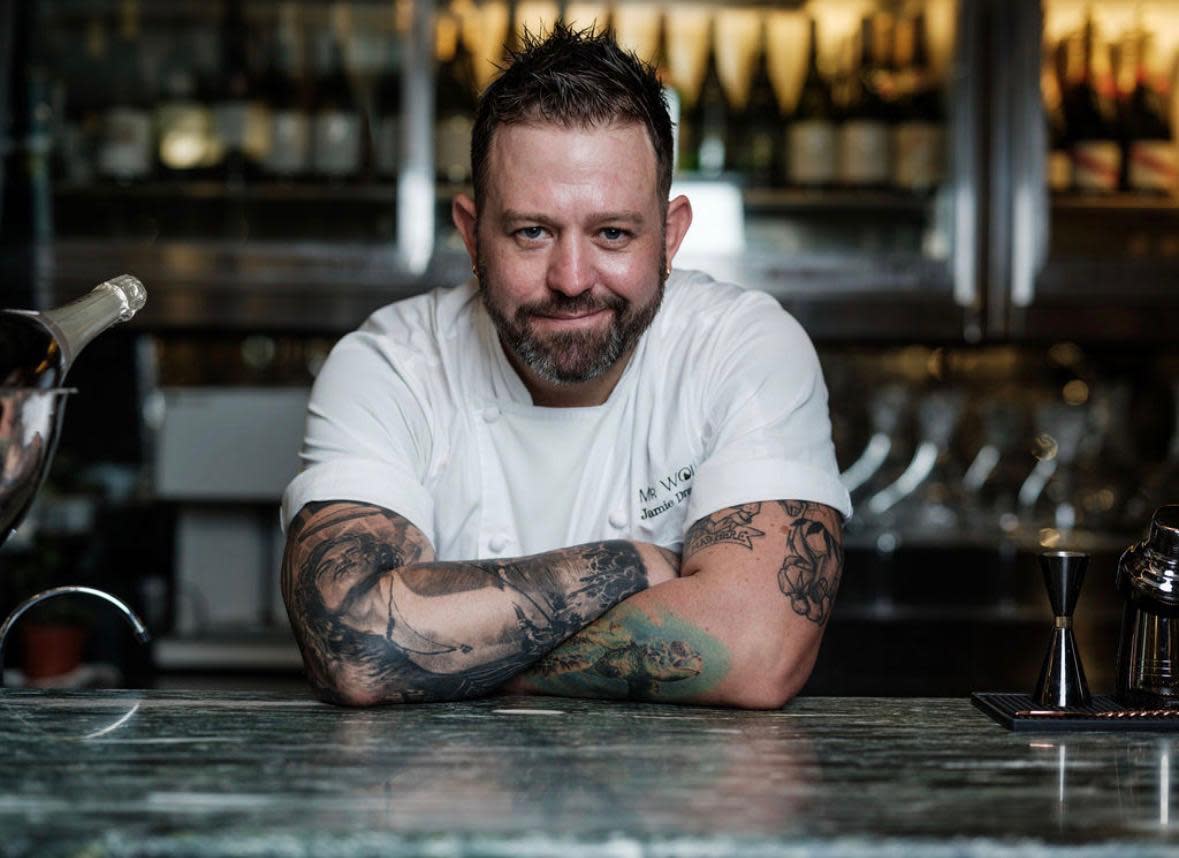
After 15 years working in London’s notoriously demanding restaurant scene, chef Jamie Draper has found a different kind of rhythm in Hong Kong. He spent much of his early career navigating the chaos of busy bistros and competitive fine-dining kitchens, but now that he calls Hong Kong home, he has come to appreciate a more measured approach to work, one that places just as much importance on the people behind the food as what’s on the dishes themselves.
For Jamie, the journey into professional cooking was never quite part of his plan. “I had a fairly chequered school career,” he says, recalling his childhood. Despite attending some privileged schools, he admits that he was repeatedly thrown out for misbehaving. “I did go to university, but after a month I was thinking, ‘What the hell am I doing here?’”
At the time, he was studying Italian and French, two of the few subjects he felt he was reasonably good at. But while academics never really captured his attention, food had always been a big part of his life. His mother was an incredible cook, and from a young age, he was already eating at nice restaurants, often skipping the children’s menu.
“I was a little tough guy,” he says with a laugh. “It was actually my mum who said, ‘Look, you can’t just do nothing. Why don’t you learn how to cook? I don’t think I’ve ever seen anyone eat as much as you do.’ I remember thinking, ‘Damn, that’s a really good idea.’ It had genuinely never occurred to me. I loved food and I loved eating, but even at 18 or 19, I couldn’t cook at all.”
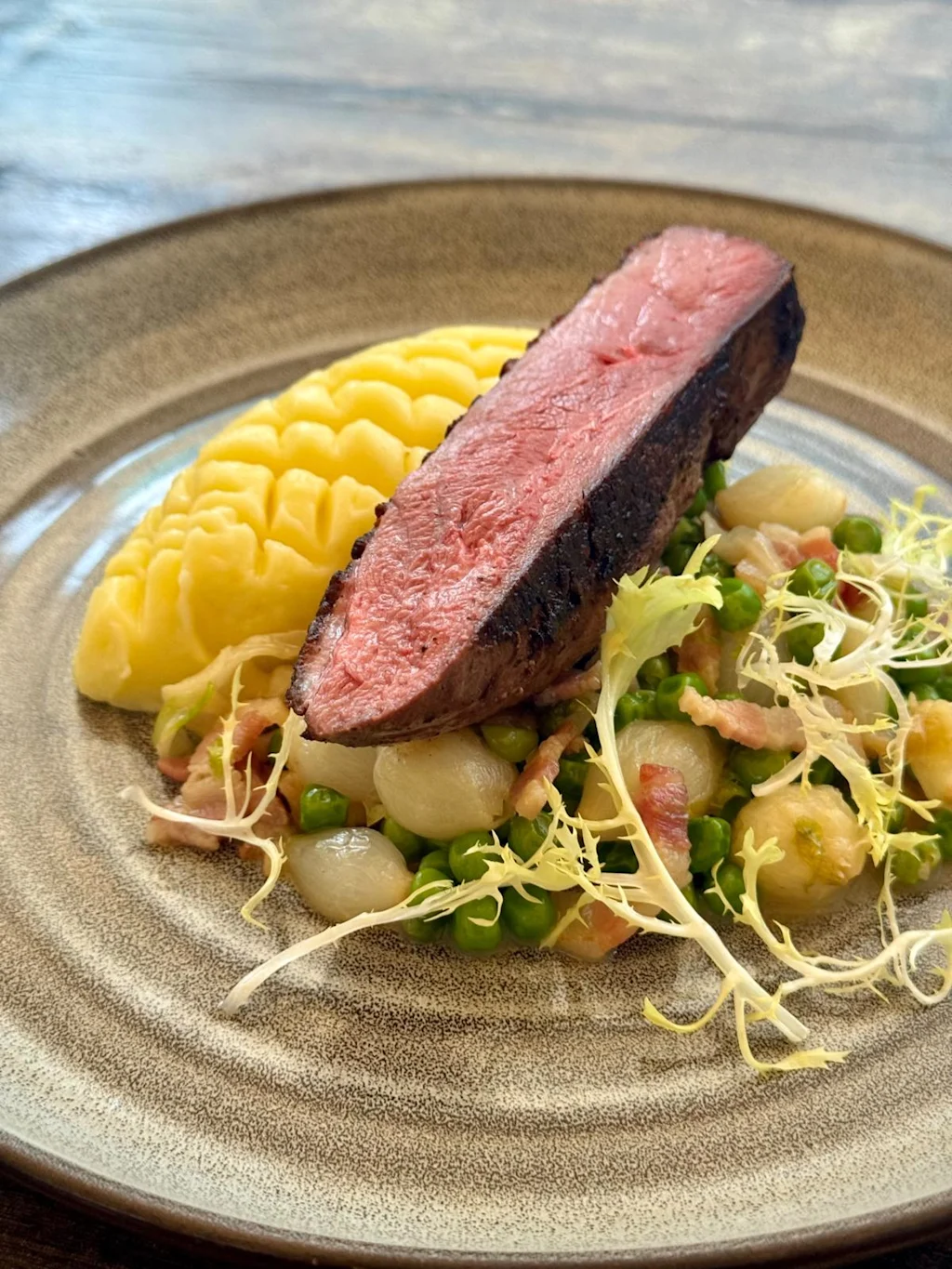
Like many aspiring chefs, he considered formal culinary training to kickstart his career in the kitchen, but the thought of spending another three or four years in education didn’t sound appealing. He was hungry and eager. “There’s no better place to learn how to cook than in a restaurant kitchen,” he says, and so he dove right into the deep end.
With a little help from his mother’s best friend Angus, he secured his first proper job at around 20, joining Circus, a busy Soho bistro in London that would later become Bob Bob Ricard. “I remember the kitchen being full of absolute pirates,” he says. “I was fascinated by the whole organised chaos of it all. That was the sort of environment that appealed to me when I was young.”
The kitchen was intense, and mistakes were often heavily punished, but for the chef, there was something magical about the environment. The long services, the pressure and the people around him created an atmosphere that he found almost addictive. Looking back, he says it taught him resilience, gave him thicker skin and made him feel part of something bigger. “You’d get your arse handed to you during service, then go out for a beer afterwards,” he recounts. “I loved all of that.”
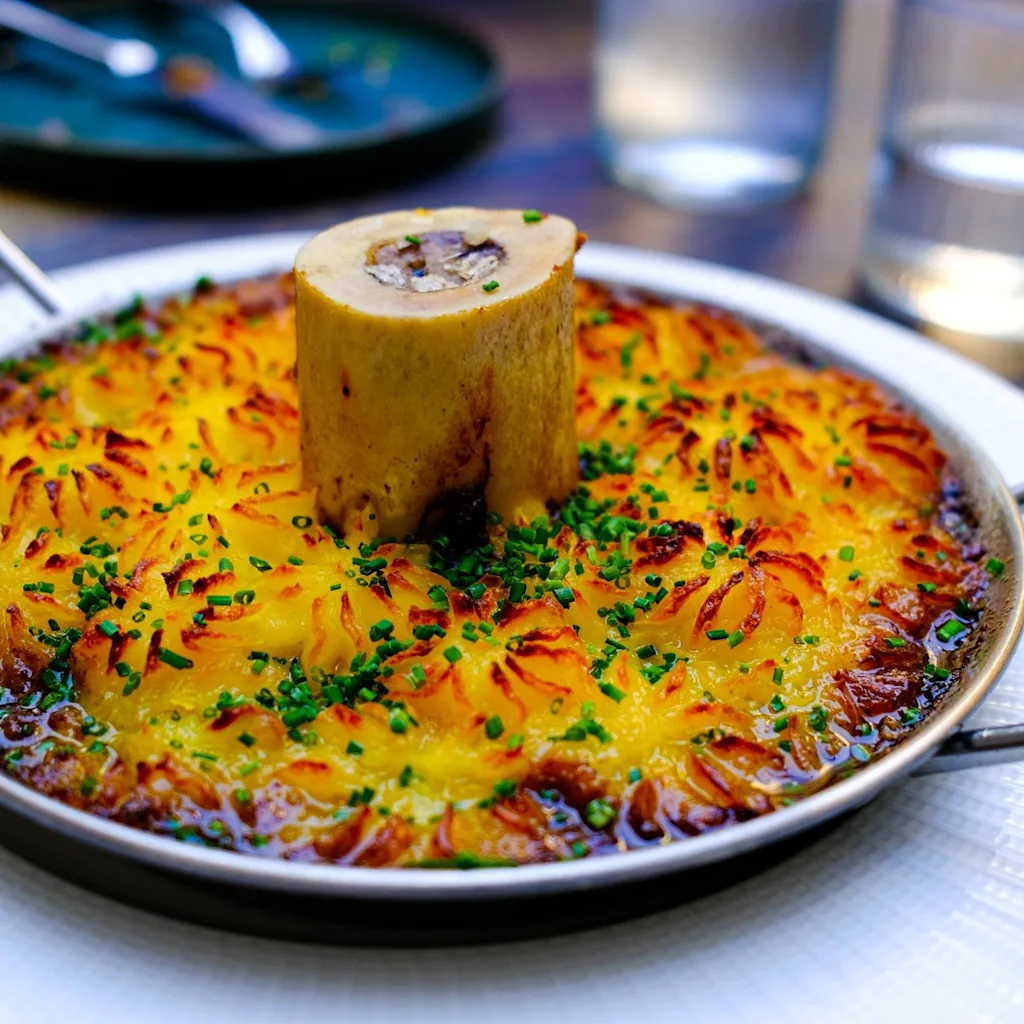
At this point in our chat, I bring up some of the comments he made in previous interviews about the reality of kitchens in London’s dining scene, and what we might now consider to be toxicity that many other chefs I’ve spoken to have also experienced. It’s a subject that has come into the spotlight in recent years, as more chefs than ever are beginning to question whether it’s right, or even necessary, to run a kitchen that way.
Reflecting on this, he admits that he may have mistaken some of that aggression for passion. But as he grew both as a chef and as a person, he started wanting a little more calmness in the kitchen. It was then – after a decade and a half in London – that an opportunity to come to Hong Kong arose. The change gave him a different perspective on the kind of kitchen culture he wanted to foster as he took the helm at Central’s Mr. Wolf.
“The whole culture of throwing pans around, screaming at each other, and having punch-ups in the walk-in fridge doesn’t exist here in Hong Kong, and I’m grateful for that,” he admits. “It was fun while it lasted, but I’m too old for all that anger now.
“Of course, no one said this was going to be easy,” he adds. “But I also think that you can teach anyone to cook if they want to learn and they want to be part of it. I don't need someone to come in with a CV, as long as they really care about what they do, they listen to you and they're writing stuff down in their little notebook, you can teach that person.”
As to his food, his priorities these days are also a little different. The food he serves is still fantastic, but he no longer feels the need to get caught up in every minor detail. “Do I really care if the carrot is here or there? As long as it looks beautiful, tastes delicious, and is cooked properly, who cares if it’s on the other side of the plate?
“We’re just serving food mate. We’re not saving lives.”