r é n In the Kitchen With: Christian Mongendre
A champion of conscious eating, Treehouse founder Christian Mongendre is leading the charge in sustainable dining.
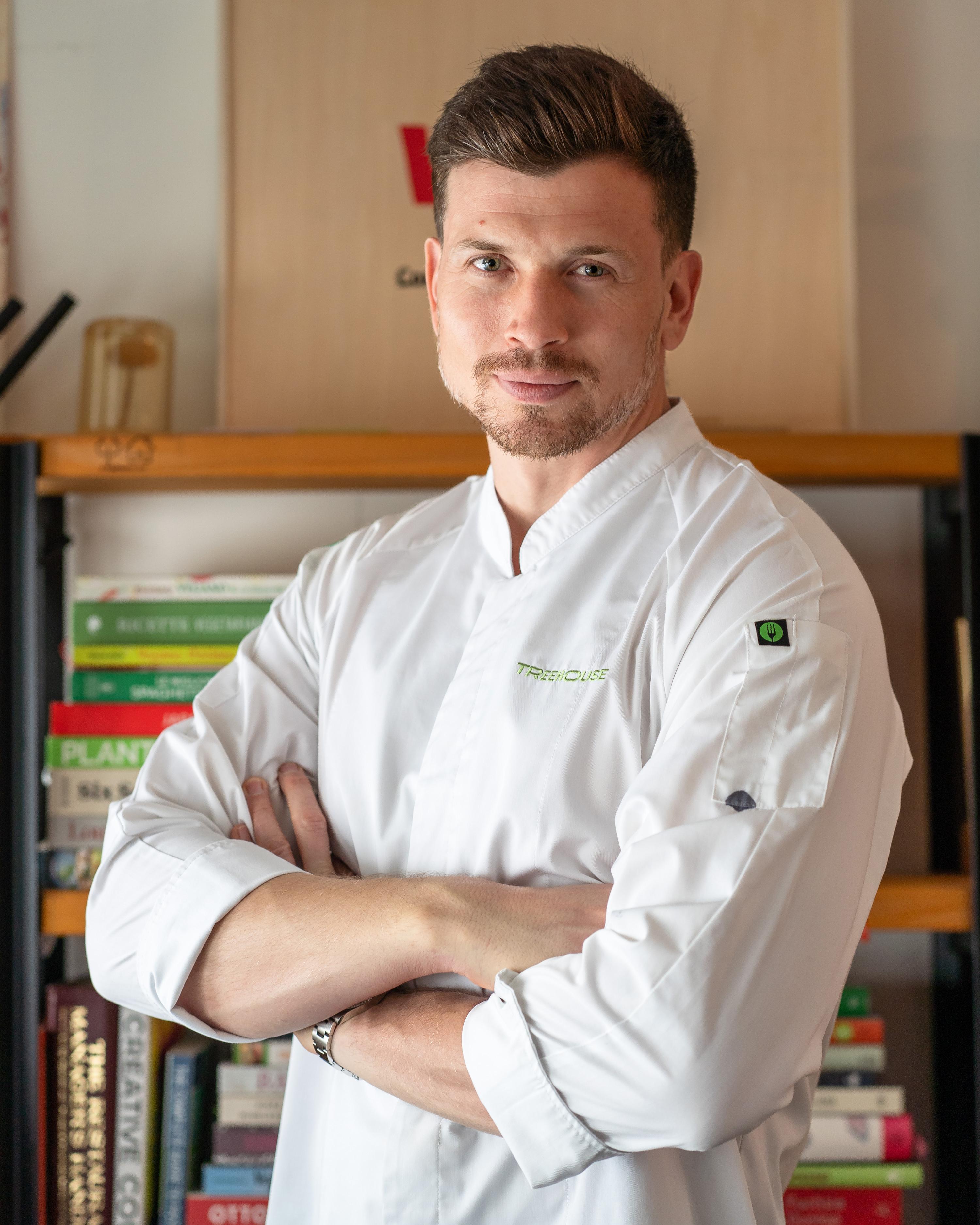
The founder of plant-based, sustainability-minded restaurants such as Mana and Treehouse, Christian Mongendre is primarily a restaurateur and entrepreneur. But his love of food goes far beyond just running a business; tirelessly working towards designing menus for conscious eating, he’s just as capable in the kitchen as he is behind the steering wheel of his ventures.
“I never actually wanted to be a chef, although I am a trained chef,” he tells me. “I went to cooking school because I thought learning how to cook was one of the coolest things ever. I think it's such a valuable skill to have. I knew I wanted to operate restaurants, and I also knew one of my biggest challenges would be managing chefs. So I figured that if I understood what they were doing, I could manage them better.”
For someone who says he never wanted to be a chef, however, he definitely dove into the deep end. He trained in Lyon, France, and worked for some of the most decorated chefs in the world like Alain Ducasse, but those experiences opened his eyes to the reality of the industry.
“I saw what three-Michelin-star restaurants were doing, the ingredients they were using, and what that meant for the supply chain,” Christian recounts. “But then I started thinking about how small a portion of the population that kind of dining actually serves, while so many people are eating really poorly every day. I thought, how can I take these concepts of fine dining, particularly making everything from scratch, and bring them into a more accessible, quick-service restaurant format?”
The realisation brought him back to our city, where he was hired as the director of operations for a large restaurant group. But as a vegetarian himself, managing a big steakhouse wasn’t really what he wanted to do, so eventually he set off on an entrepreneurial path.
“That's when I met my business partner, and we eventually created Mana,” he says. “We aligned almost immediately, everything made sense, and we found a location. We built the business up to three or four locations, which I eventually sold before moving on to start something new.”
Though he was primarily driven to create Mana due to his vegetarian diet, the philosophy behind his restaurants, including now Treehouse, comes from somewhere much more personal. In his 20s, Mongendre had lost his mother to cancer, and his father just a year later, an experience that fundamentally changed his outlook on life and what he wanted to achieve.
“Suddenly, at 24, I had lost both my parents. It was a profound turning point in my life,” he tells me. “They were so loving. Suddenly it's like an expectation bomb. I don't need to be anyone for them. I don't need to be anything. So it really shifted my life. It was like, what do I really want to do?”
Rather than entering the restaurant industry purely for financial gain, he wanted his work to have a more meaningful impact. Food, he understood, could be a way of giving people something positive rather than contributing to the health problems he had witnessed firsthand.
“I realised that if I was going to be in the restaurant business, I couldn't do it purely for the money,” Christian says. “There are plenty of other businesses that are better if money is your only motivation. I wanted to use food to give people something life-giving rather than something that could potentially harm them.”
This became the guiding principle behind every restaurant he created, all of which have been plant-based, with an emphasis on making everything from scratch. “I wanted the food to taste great and to be almost accidentally vegetarian. In other words, you shouldn't even notice that there's no meat or fish. That's always been the idea.”
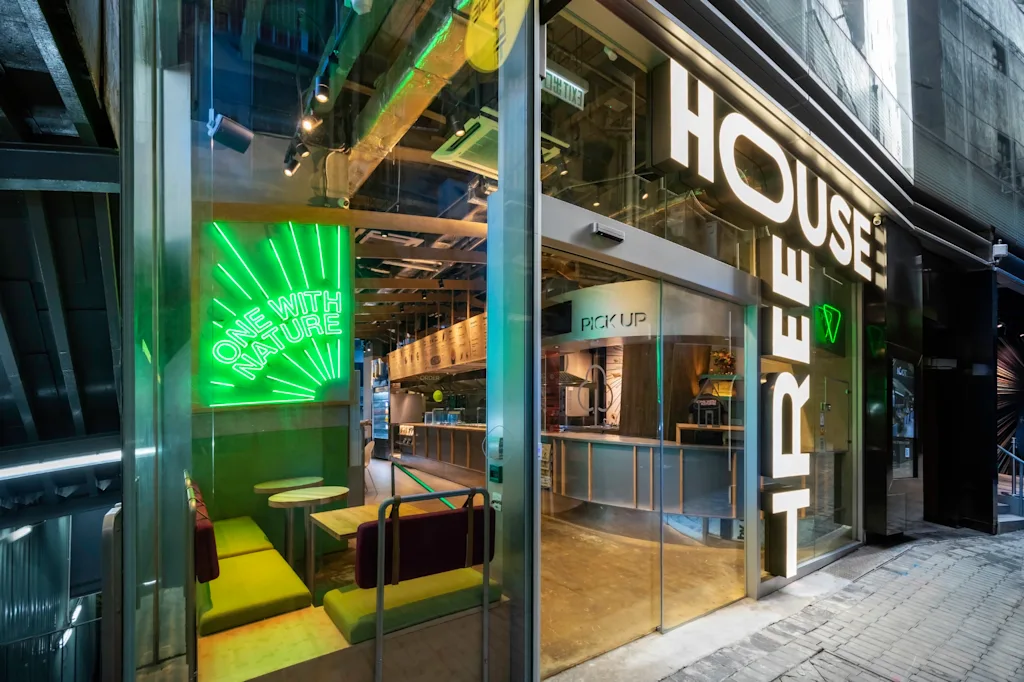
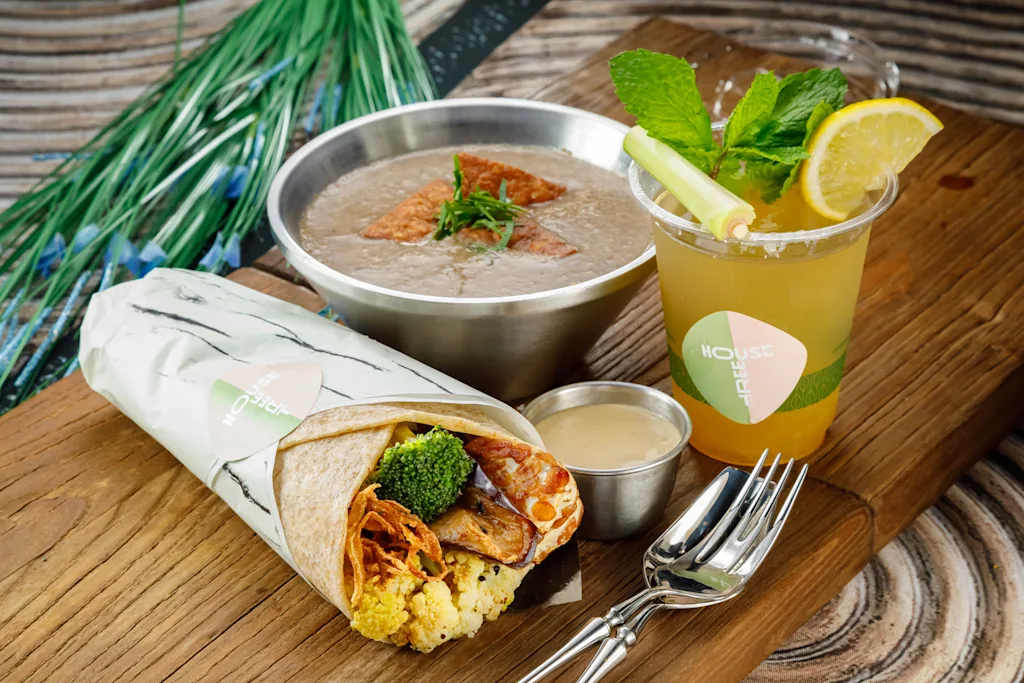
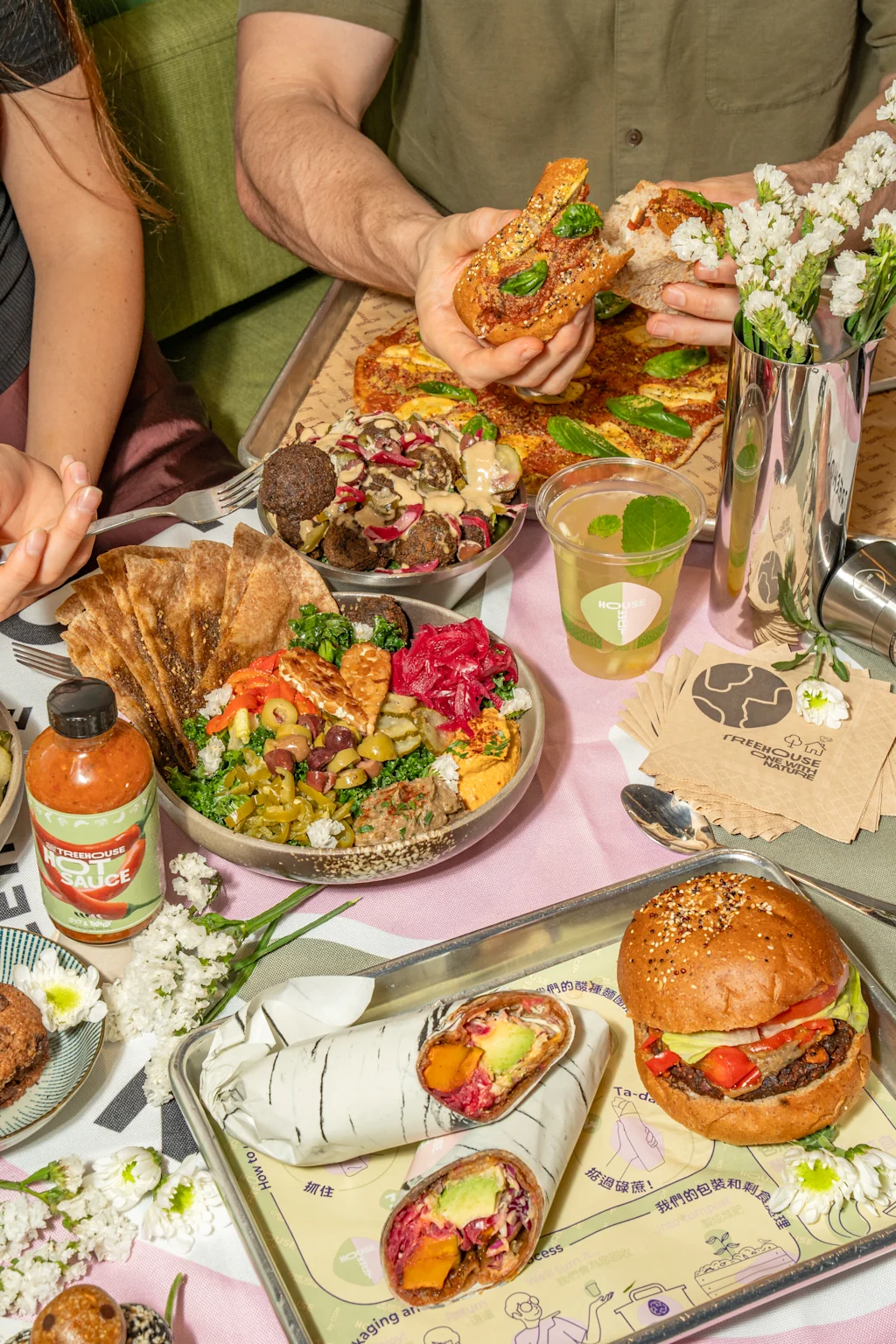
That philosophy eventually found its home at Treehouse, where the emphasis is on making wholesome, thoughtfully prepared food accessible to everyone. Fresh, nutritional ingredients and sustainable sourcing form the core of this concept.
“The vision has always been to provide food that people can keep coming back to, food that's genuinely made by people,” he explains. “Everything is fresh and prepared in small batches. All the eggs we use are organic, and we're very particular about the ingredients we choose. We don't use questionable oils or unnecessary additives. I'm quite strict about what I put into my own body, and I wouldn't want to serve something to our customers that I wouldn't eat myself.”
For Mongendre, responsible sourcing is an ongoing learning process. Even ingredients carrying seemingly reassuring labels can have complicated stories behind them, as he discovered when investigating the origins of some organic tomatoes he had been buying.
“It's also an ongoing process of refinement,” Christian continues. “We're constantly changing and learning new things. For example, I was buying organic tomatoes until I discovered that their production involved exploitative labour practices. I knew I couldn't use those anymore, so you have to keep learning and adapting.
“You can only make decisions based on the knowle “I realised that if I was going to be in the restaurant business, I couldn't do it purely for the money,” Christian says. “There are plenty of other businesses that are better if money is your only motivation. I wanted to use food to give people something life-giving rather than something that could potentially harm them.”
The same philosophy extends beyond the kitchen. Treehouse strives to minimise its carbon footprint, compost its waste and use sustainable packaging and materials wherever possible. It's an approach that makes particular sense to Mongendre, although establishing a plant-based restaurant business in Hong Kong has certainly come with challenges.
“Hong Kong is a challenging place to operate a restaurant,” he admits. “Rent and labour costs are already high, food costs keep rising, and Hong Kong has one of the highest levels of meat consumption per capita in the world. People also have a strong appetite for Japanese and Korean food.”
For these reasons, competitors have come and gone over the years, but Christian believes Treehouse's greatest strength has been the trust it has established with its customers. Rather than trying to persuade people to embrace an entirely different way of eating, the restaurant has become a familiar destination for those who appreciate knowing where their food comes from.
“We're serving quite a niche market, but I think we've survived because people have come to trust what we do,” he says. “We've become almost like a cafeteria-style restaurant for our customers. They come back again and again because they know what to expect and trust that the food choices we're making are driven by health rather than profit. I think that's what keeps us alive and going.”
And to no surprise, for someone as thoughtful as Christian, he’s also passionate about education and believes businesses have a responsibility to help younger generations understand the environmental challenges they will inherit.
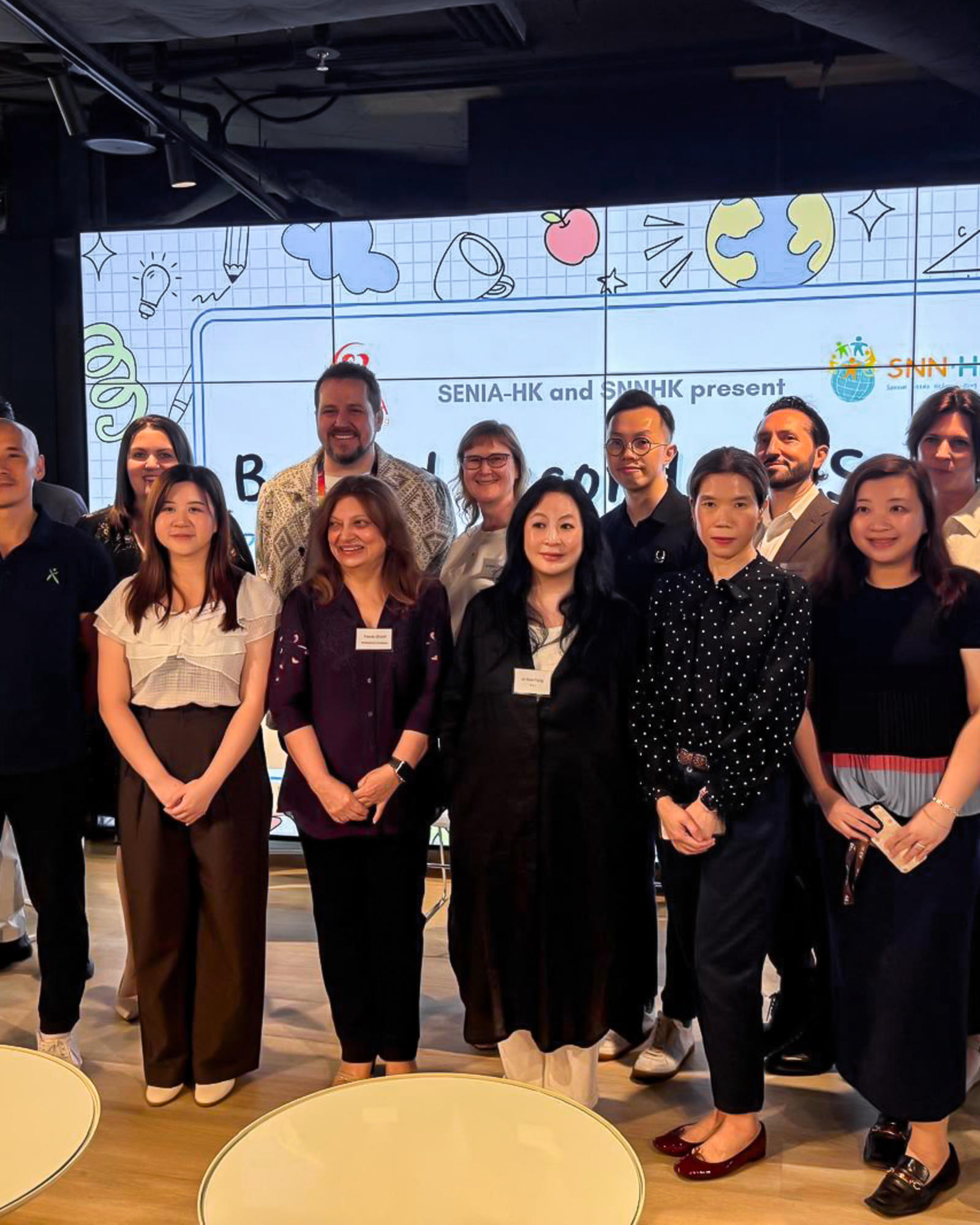
“Whenever someone reaches out about education or collaboration, I always say yes – whether it's students, universities or school projects, I'm happy to get involved,” he says of the Chef Demo he gave our youths. “It's the next generation, and they need to be exposed to these ideas. They're the ones who will experience the consequences of climate change most directly, so I think sustainability should be part of their education. We should be doing whatever we can to help them understand these issues.
“I was particularly excited about this project because when I was younger, I went to school with someone with Down Syndrome who I was very close friends with. It brought back memories of that friendship and the gentleness I remember from that time. I have such fond memories of growing up with someone like that.”