r é n In the Kitchen With: Junwoo Choi
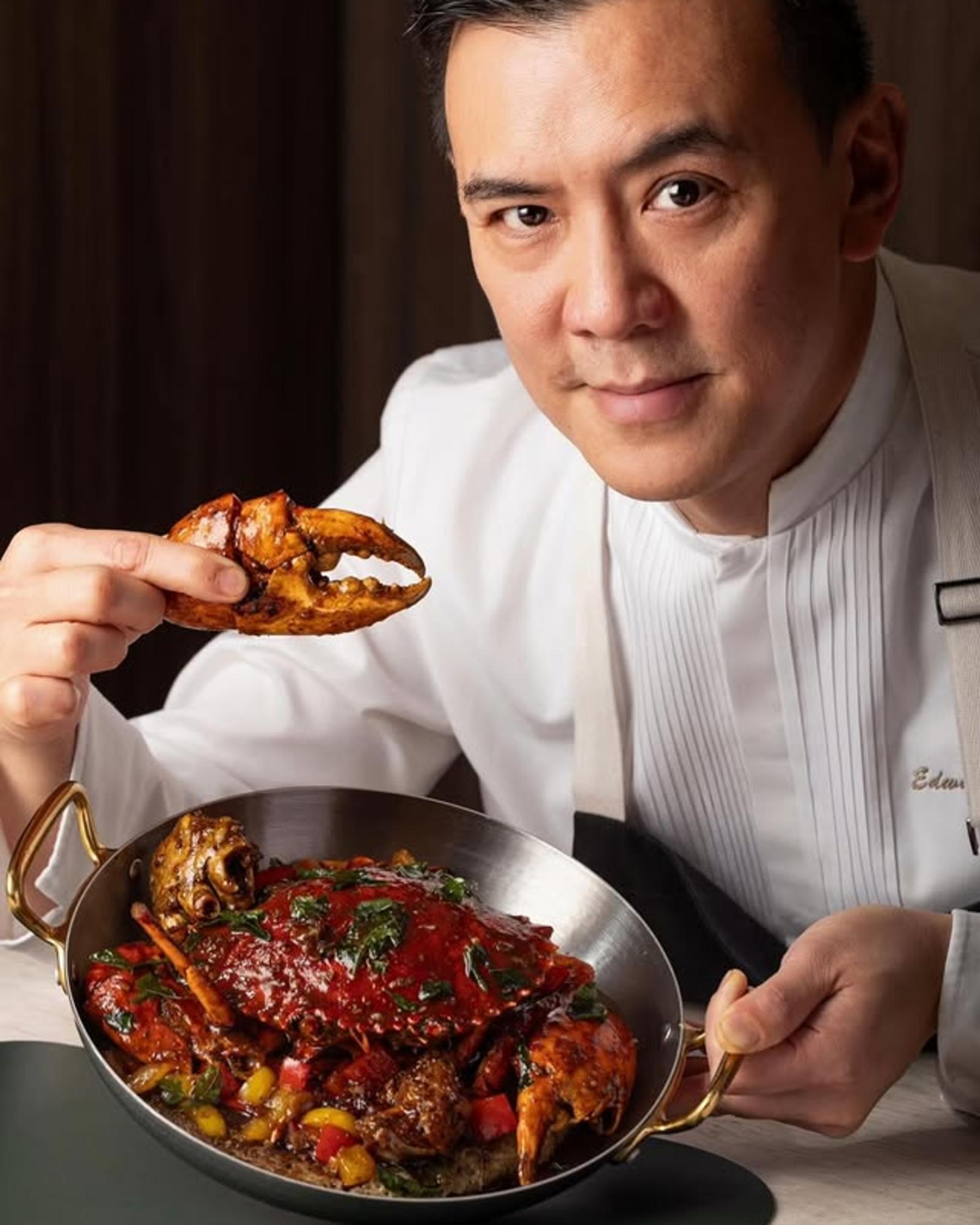
How the Korean chef went from plating just an apple to cooking for 400 soldiers to leading his very own restaurant in Hong Kong.

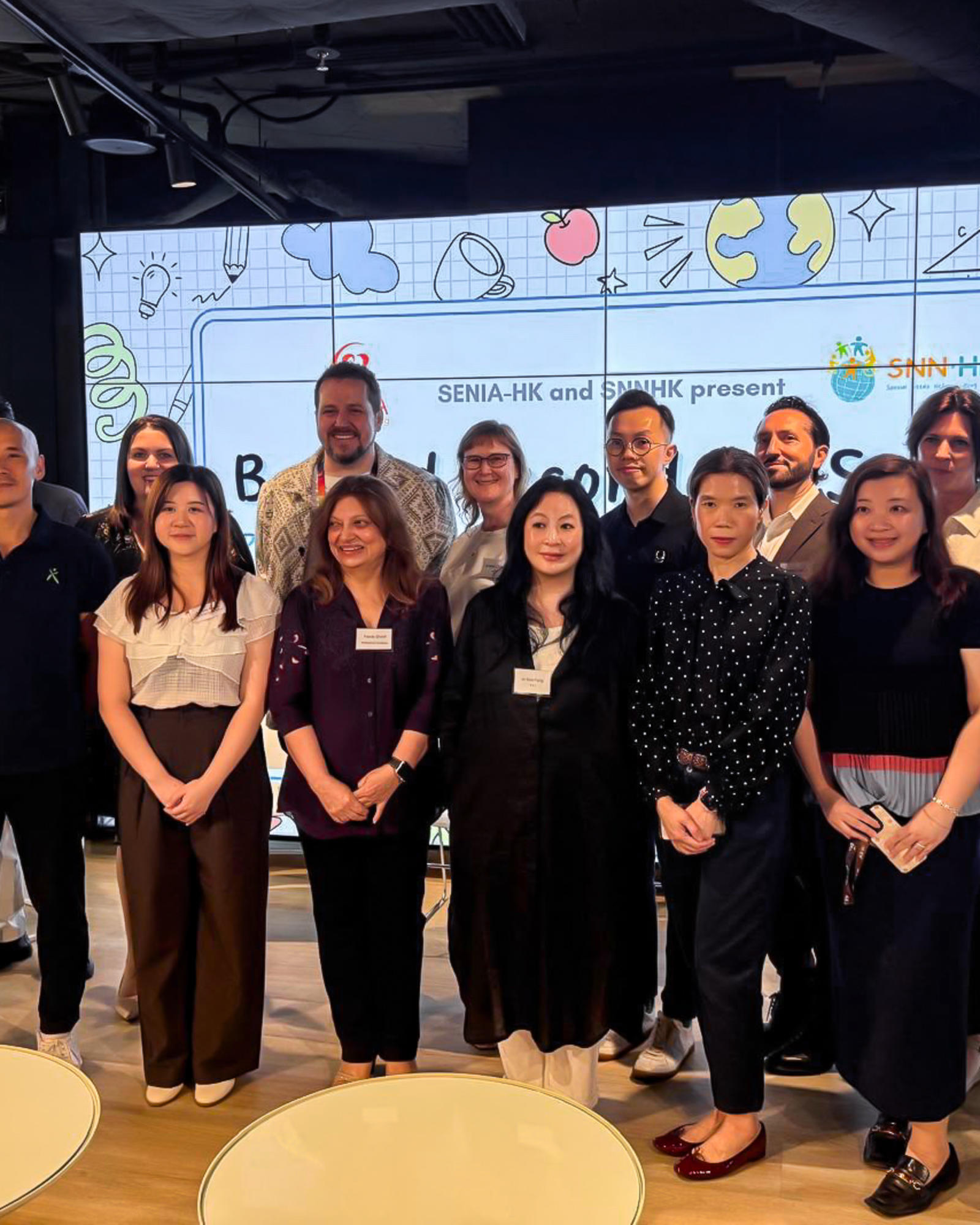
After spending an afternoon with chef Junwoo Choi at Food Parc for a chef demo, it’s clear that the South Korean native is as passionate as he is thoughtful. With two hours to demonstrate how to cook a dish to our third R21 cohort – most of whom either have Down Syndrome or Special Educational Needs – Junwoo plans his workshop meticulously, allocating tasks designed with just the right amount of complexity to keep our beneficiaries fully engaged. The end result was a wonderfully fun Korean sushi roll that all the kids were proud of, and that we all enjoyed as we wrapped up the afternoon in Hopewell Mall.

Evidently in his element, I ask if he had always wanted to work in the kitchen. “My mother is from the south side of Korea, in the Jeollanam-Do province, which has very classic Korean food with many side dishes," he reminisces. "All her kimchi and soups and such were homemade, and we used to share a lot of our food with our neighbours. We’d always make more and share it with the other families in our neighbourhood – in Korean, we call that “Jeong.””
Jeong (정), I’ve learnt from a previous engagement at EAST Hong Kong, where r é n held its second annual art exhibition, is a neo-Confucian concept in Korea that describes the deep, selfless affection and emotional bonds which develop through shared experiences, time, touch, and mutual care between one another. The philosophy informs much of what chef Junwoo does at O’rm, his restaurant in Sheung Wan.

“I was never that drawn to cooking when I was young,” he continues. “I have two sisters but neither were interested in what happened in the kitchen, so I thought there wasn’t anything worth being interested in either. My mum would cook and I’d do the dishes, and that was it. But one day, that all changed because of an apple. I was 15 or 16, and because these apples were from a special region, I thought it’d be nice to split them and lay them out nicely. It turned out my family really liked my presentation, and it felt really nice to make everyone happy. That first experience gave me a lot of confidence, and I started taking an interest in cooking for other people.”
As you’d expect of traditional Korean parents, there was a significant amount of reluctance at first to let Junwoo pursue a culinary career. He tells me his parents were strict – especially his father – and wanted him to study, but he just wasn’t the academic type. In his free time, he’d watch cooking videos constantly, so much so that eventually, his parents finally caved. But before diving into the F&B industry, he had to complete his mandatory military service, and it was there that he first had a taste of how it’d be like to work in a kitchen.

“I got into the military pretty early,” he recounts. “Usually people are 20 or 21, but I joined military school when I was just 19 years old, and was done by the time I was 21. I was placed in the kitchen, and I cooked for around 400 soldiers! It was quite a challenge, because every day, they would have three meals, and you know how Koreans are – every single day rice, rice, and rice. We’d do some side dishes, but there was a lot of rice to cook, and my hands were like those of an old man, washing all this rice daily.
“It was one of the most challenging experiences of my culinary life, and after that, I felt like cooking in a commercial kitchen was too easy,” he laughs. After leaving military school, he moved to Melbourne to pursue his passion in cooking, but compared to his time serving fellow soldiers, working at a restaurant just felt too slow for him. “It felt like a place to retire to,” he tells me, and so he moved on to Bangkok, where he interned at the world-famous Gaggan. Eventually, his love for Cantonese cuisine – especially char siu – brought him to Hong Kong, where he worked at multiple restaurants, including opening and leading the Korean sool-jip OBP, before finally establishing a place he could really call his own: O’rm.

“O’rm is inspired by Jeju Island, where there are 300 different kinds of small mountains called “Oreum.” After retiring, my parents moved to Jeju Island, and so when I felt like I was struggling and exhausted in Hong Kong, I’d fly there and climb these oreum in Korea with my parents, sharing fruits on the edge of the mountain and talking to each other. These are memories I really cherish, and I wanted to share them with people in Hong Kong, so that’s why I created O’rm.”
At the entrance stand two towering trees, 50 to 70 years old, Junwoo explains; he chose the location to parallel the stunning nature on Jeju Island. Inside, you'll find an extended chef’s counter, where Junwoo provides guests with an intimately personal experience, sharing stories and drinks throughout the night. Like everything else about O’rm, the menu is also a reflection of the chef’s journey from Melbourne to Bangkok to Hong Kong, offering inspired dishes such as soy marinated shrimp with rice balls and wasabi mayo, a catch-of-the-day muchim, jjajang tteokbokki, and all kinds of Korean grilled meats like chuck flap, pork belly and spicy pork jowl.

“The memory of my family feeling joy because of my apple when I was 16 – that’s what I want my guests to experience when they come to O’rm,” Junwoo says. “As a chef, we work very hard, the hours are very long, and we never have holidays like Christmas; in fact those are our busiest times. But it’s all worth it when diners come and you see the joy on their faces. I treat every customer like they’re my family, and when they come through the door, I always feel so appreciative. When people come here, I want to give them an unforgettable experience, and share my love of Korea with them. Love, memories and culture – those are the three words that describe my culinary journey, and that’s how I fell in love with what I do.”